Posts tonen met het label Environment. Alle posts tonen

zondag 1 december 2013

Fashion against toxics, one year later.

Picture source: Greenpeace Netherlands

Precies een jaar geleden deed ik mee aan de 'Fashion against toxics-actie' van Greenpeace Nederland, drie maanden geen nieuwe kleding kopen. Tweedehands kopen en ruilen met anderen mocht dan weer wel. Ik heb van 1 december 2012 tot 28 februari 2013, vanwege drukte, helemaal niets kunnen kopen. Ik was er niet rouwig om, ik hou namelijk niet van kleding kopen. Voor kerst heb ik wel een roze badjas gekregen. Ik kon moeilijk tegen mijn 'secret santa' zeggen, 'wil je even snel mijn cadeau inruilen voor een tweedehandse versie.' Ik heb de actie met anderhalve maand verlengd. Zoals ik al ik eerder zei, ik hou niet van winkelen.
Last year I did the 'Fashion against toxics challenge, this was exactly a year ago. I exceeded the challenge by a month, which isn't bad in this case.

Ik kom terug op dit onderwerp omdat ik jullie wil laten weten wat drie maanden geen nieuwe kleding kopen met mij heeft gedaan. Na vier maanden moest ik er toch weer aan geloven omdat ik familie heb die zeer nauwlettend is op wie wat aan heeft tijdens familiediners. Gelukkig kwam mijn favoriete kledingmerk Mango to the rescue. Een duurzame lijn met veel wol en katoen verwerkt in de kleding.
In the past I just went to a store if I was in need for new clothing. Now I do research about the clothing company. Are they environmentally conscious? Do they pay their factory workers well?  I check the label of the clothing, what is it made of? I like organic cotton and wool. Cheap clothing meanly consists of cheap synthetic material which equals heavy sweating.
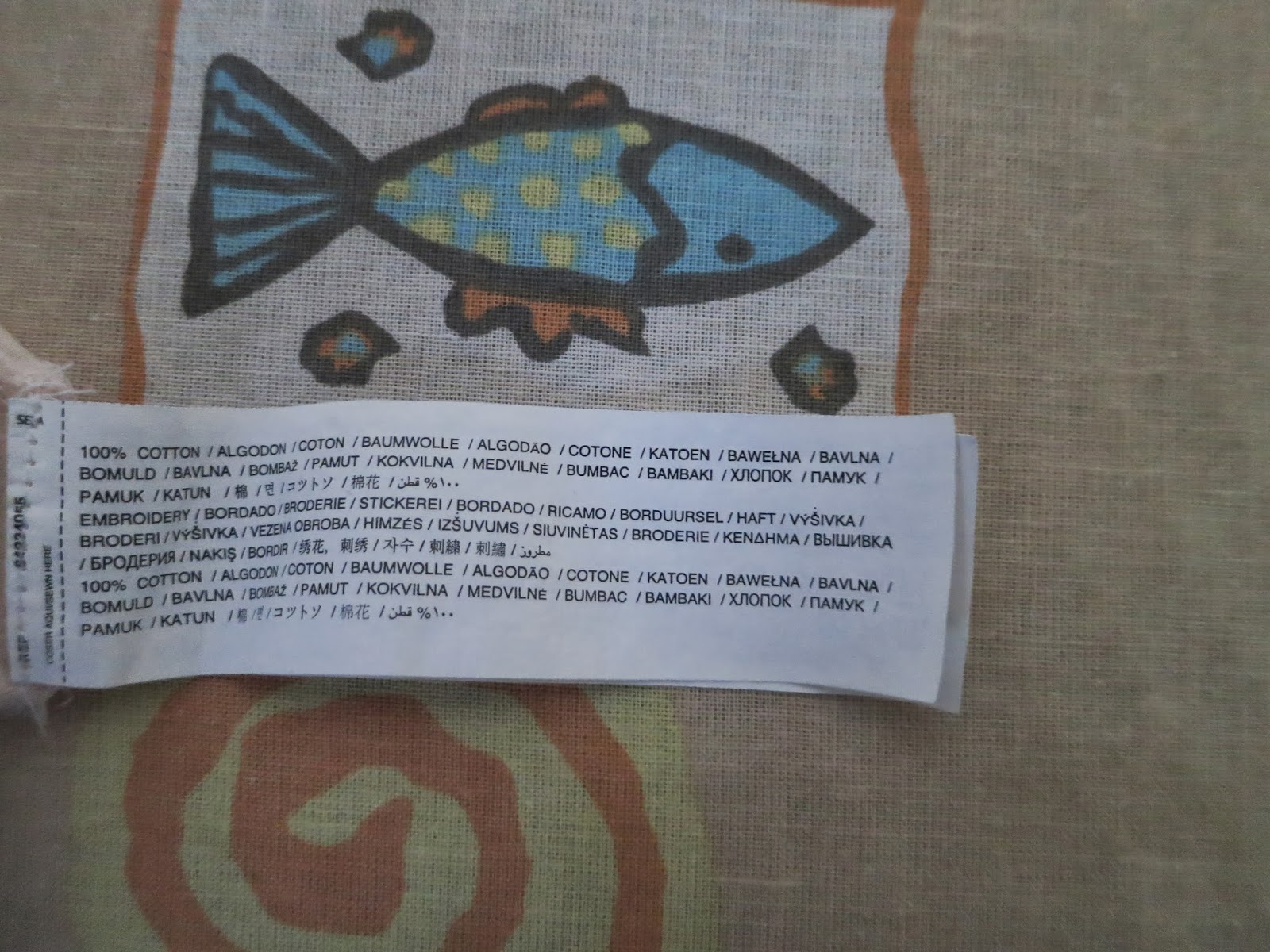

Ook is mij opgevallen dat duurzame kleding vaak een sobere kleur heeft, veel wit en grijs. Ik geloof nooit dat kleding van de H&M en de Primark duurzaam zijn geverfd. Hoe feller de kleur, hoe groter de kans is dat giftige kleurstoffen in de rivieren naast de fabrieken zijn geloosd. Ook kan ik niet geloven dat er een eerlijke prijs is betaald voor het produceren van de kleding. Herinner je de ingestorte textielfabriek in Bangladesh nog. Bedrijven zoals Walmart en Primark kochten daar ook kleding in. Na deze verschrikkelijke gebeurtenis hebben de meeste grote kledingbedrijven de 'convenant Bangladesh' ondertekend, een veiligheidsakkoord die de werkomstandigheden in naaiateliers in Bangladesh moet verbeteren. Persoonlijk ben ik het niet eens met het convenant, mensen moeten nog steeds voor een hongerloontje werken. Het minimumloon in Bangladesh is 28 Euro per maand. Volgens de Schone Kleren Campagne zou 259,80 Euro nodig zijn om een normaal bestaan te hebben in Bangladesh. Ook vind ik dat deze convenant voor andere landen, zoals Vietnam en Cambodja, moet gelden.
The building collapse in Bangladesh last April which contained a lot of clothing factories made people aware about the harsh working environment people had to work in. Minimum wage in Bangladesh is 28 Euros a month. I can't accept this fact, a human deserves more than that. According to a Dutch non profit organisation, a normal monthly wage would be 259,80 Euro. Are you willing to pay the right price?

Waarschijnlijk willen jullie het resultaat van het afgelopen jaar zien. Ik waarschuw jullie alvast, het is best karig. Ik herhaal, ik hou niet van shoppen. 
I must confess, I don't like shopping so I didn't expend my closet that much the past year. Some clothes were gifted and some were thrifted. The once which were bought new are 100 % organic.
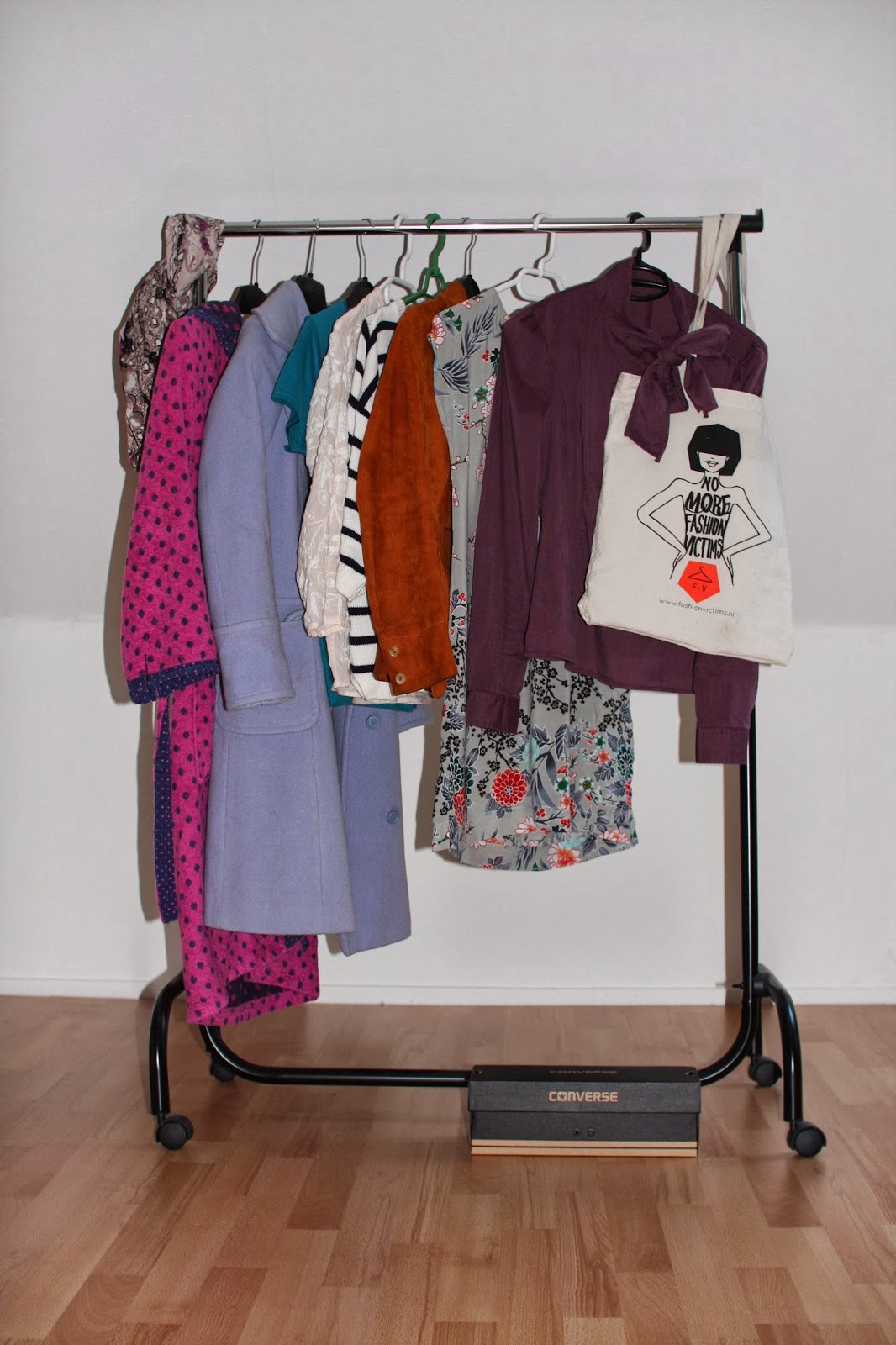

Ik heb kleding gekregen, duurzaam kleding gekocht en tweedehandse kleding gekocht. De Converse schoenen waren een uitschieter, deze heb ik gekocht zonder erbij na te denken. Gelukkig hadden ze een duurzaamheidslabel C (veegt zweetdruppel van voorhoofd af). Verder mist er nog een sjaal (leider kaput gemacht), zelfgebreide sokken van oma (zaten tijdens het maken van de foto in de wasmachine) en een Yoda-muts ... I can explain this, ik had hem gekregen voor mijn verjaardag. Ik doe hem alleen op als het heel, heel erg donker is en ik op de fiets zit. Dan ben ik een schim die snel voorbij racet. Het houdt mijn hoofd wel warm, punt uit.


Gaat duurzaamheid en mensenrechten wel samen? Ik weet het niet, ik ben niet het hoofd van een groot kledingbedrijf. Grote bedrijven zijn vaak log en ouderwets kwa denken en bij het nemen van besluiten. Verandering is vaak eng voor zulke bedrijven. 'Groen innoveren? Dat doen toch alleen hippies op geitenwollen sokken? En niemand wilt de werkelijke prijs betalen van een product.'
Okay, dan word ik maar een arme hippie.

De volgende stap in de wereld van duurzame kleding is de spijkerbroekenafdeling, ik ben namelijk uit mijn broek gescheurd.:/ 

Binnenkort maar mijn binnenbenen opmeten.

Een spijkerbroek van Kuyuchi of toch een jeans leasen bij Mud jeans? Ik hou jullie op de hoogte.  Voor de mensen die graag willen weten wat de werkelijke kosten van een spijkerbroek zijn, raad ik aan om de aflevering over spijkerbroeken van 'De rekenkamer' te zien.
My last good pair of jeans have died a brutal death (performing a split in skinny jeans is never a good idea). So the next step is to buy jeans made of organic cotton. 

En voor de mensen die geen shit geven om de mensen die jouw spijkerbroek hebben gemaakt, raad ik aan om 'Last train home' te gaan zien
For people who still don't give a shit about people who make their clothing, I recommend the documentary 'Last train home'.


Last Train Home feature documentary trailer from Andre Elijah on Vimeo.

zondag 23 december 2012

Fashion against toxics.

The life is more than food, and the body is more than clothing.
Luke 12: 23  King James 2000 Bible
Want het leven is meer dan voedsel en het lichaam meer dan kleding.
Lukas  12:23


It's the time of the season for some last-minute christmas shopping. I like to procrastinate gift shopping because I detest shopping, as usual. It took me two months to find the perfect gifts. I think I might have lost some lifeblood during my search. But since it is the season of giving it's only fair if I give back when I received so much from others this year, not only materially but also empirical. I'm quite picky myself but I have a legitimate reason. I rather don't want to 'sponsor' companies who violate human rights. And I'm trying to ban cheap produced clothing containing chemicals which are slowly poisoning our bodies and the environment.

Greenpeace started a campaign to expose the dirty little secret from the fashion industry, using hazardous chemicals and dyes to make our clothes. These chemicals end up remaining in many clothing  we buy and in the rivers near the factories where the clothes are produced.
Greenpeace is een campagne tegen de kledingindustrie gestart met als doel, de ogen van de consument te openen voor het gif dat ze gebruiken om onze kleding te produceren en te kleuren. Resten van het gif beland in onze kleding en in het drinkwater.


I don't want to sound like a hypocrite, I own some clothing from companies who are not 'clean'. But this made me think about where my clothing comes from and what they are made of. I've joined the Greenpeace Netherlands 'Fashion against Toxics' challenge, I'm not going to buy new clothes for three months. The challenge started December 1st. I was being a bit hardcore at the beginning because I didn't know I was allowed to buy second-hand. But I'm going strong. I haven't bought any panties yet and I'm actually in desperately need of them. I don't spend a lot of time at one place so my panties are spread around the country. In some kind of way this make it seem like I sleep around a lot.:/ 
Ik maak mij ook schuldig aan het kopen van 'vuile' kleding. Maar het heeft mij wel aan het denken gezet. Waar komt mijn kleding vandaan en waar is mijn kleding van gemaakt. Op 1 december jongstleden is Greenpeace Nederland met de 'Fashion against Toxics' uitdaging begonnen, 3 maanden geen nieuwe kleding kopen. Ik doe sinds het begin mee. Sinds een week heb ik wat meer ruimte om te ademen want tweedehands kleding kopen is toegestaan. Ik heb wel een probleempje, mijn voorraad ondergoed langzamerhand op. Ik reis er op los dus mijn ondergoed ligt verspreid over het hele land. Ik leef trouwens geen losbandig bestaan, ik kan het uitleggen.:/

Though the challenge is noble, Greenpeace leaves out some critical notions. First of all we have to accept globalization is a fact. We can't just stop buying clothing from developing countries. Buying second-hand only is not the solution, second-hand shops don't produce any clothing. We are too 'addicted' to cheap clothing. Just a small group of people can afford clothing made in first world countries. By banning clothing from developing countries we also take away income from people who earn a small percentage of what we earn. And secondly there is another secret, a lot of cheap second-hand clothing contain acrylic fiber. Every time you wash clothing with acrylic fiber, tiny bits of fiber ends up in our drinking water. Those fibers are like like razors, eventually life in the water.
De campagne is nobel, maar Greenpeace vergeet een aantal punten te vermelden. Door het niet kopen van kleding, treffen wij niet de kledingindustrie maar de werknemers in de derdewereldlanden. Zij zullen de eersten zijn die ontslagen worden als er minder omzet wordt gemaakt. Trouwens, we zijn als Nederland veel te verslaafd geraakt aan goedkope kleding. Wij kopen meer kleding dan wij echt nodig hebben. Eis eerlijke en milieuvriendelijke kleding van de winkels waar je winkelt. Je hebt als consument meer zeggenschap dan je denkt. Daarnaast is alleen maar tweedehands kleding kopen niet de oplossing. In goedkope kleding zit acryl. Acryl is op zich niet giftig elke keer als je kleding van acryl wast, komt er elke keer stukjes vezel in ons drinkwater. Deze stukjes vezel zijn net als kleine scheermesje voor vissen. En je kunt je wel indenken hoe het afloopt met de vissen als zij dit keer inslikken.

Companies like C&A are known for treating their employees very badly and they probably use toxic chemicals.
C&A staat erom bekend dat ze werknemers in derdewereldlanden exploiteren. Waarschijnlijk gebruiken ze ook giftige stoffen om hun kleding te produceren.

This piece of cloth costs € 49 at C&A.
Voor dit poetsdoekje durft C&A € 49,- te vragen.

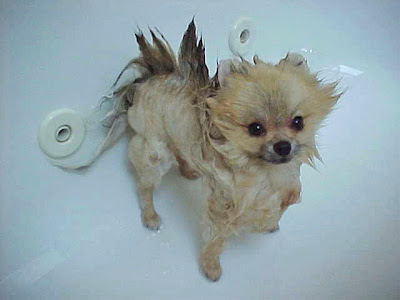
I do have a little problem. I need a 'new' winter coat. I gave away my winter coat last summer cause I thought I would buy a new one. The thing is I'm wearing a very old winter coat now. I don't really like this one but it keeps me warm. The coat is really worn out, I keep on loosing some of the buttons. And the inside of the coat looks like a pomeranian. 
Waar ik naar uitkijk is een mooie winterjas. Ik heb mijn oude winterjas weggegeven. Op het moment draag ik een winterjas waarvan ik het bestaan vergeten was. Hij valt langzamerhand uit elkaar. En ik ben er ook niet dol op omdat ik door de binnenvoering op een keeshond lijkt.


And when it rains I look like a wet pomeranian.:(
En wanneer het regent, lijk ik op een natte keeshond.:(


Check for more information on the 'Fashion against Toxics' Facebook page. https://www.facebook.com/FashionAgainstToxics 
Kijk voor meer informatie op de Facebook pagina van 'Fashion against Toxics'. https://www.facebook.com/FashionAgainstToxics

woensdag 12 oktober 2011

A message from my Dopper.


Hello humans, look at your plastic water bottle, now back to me.


Now back at your plastic water bottle, now back to me.

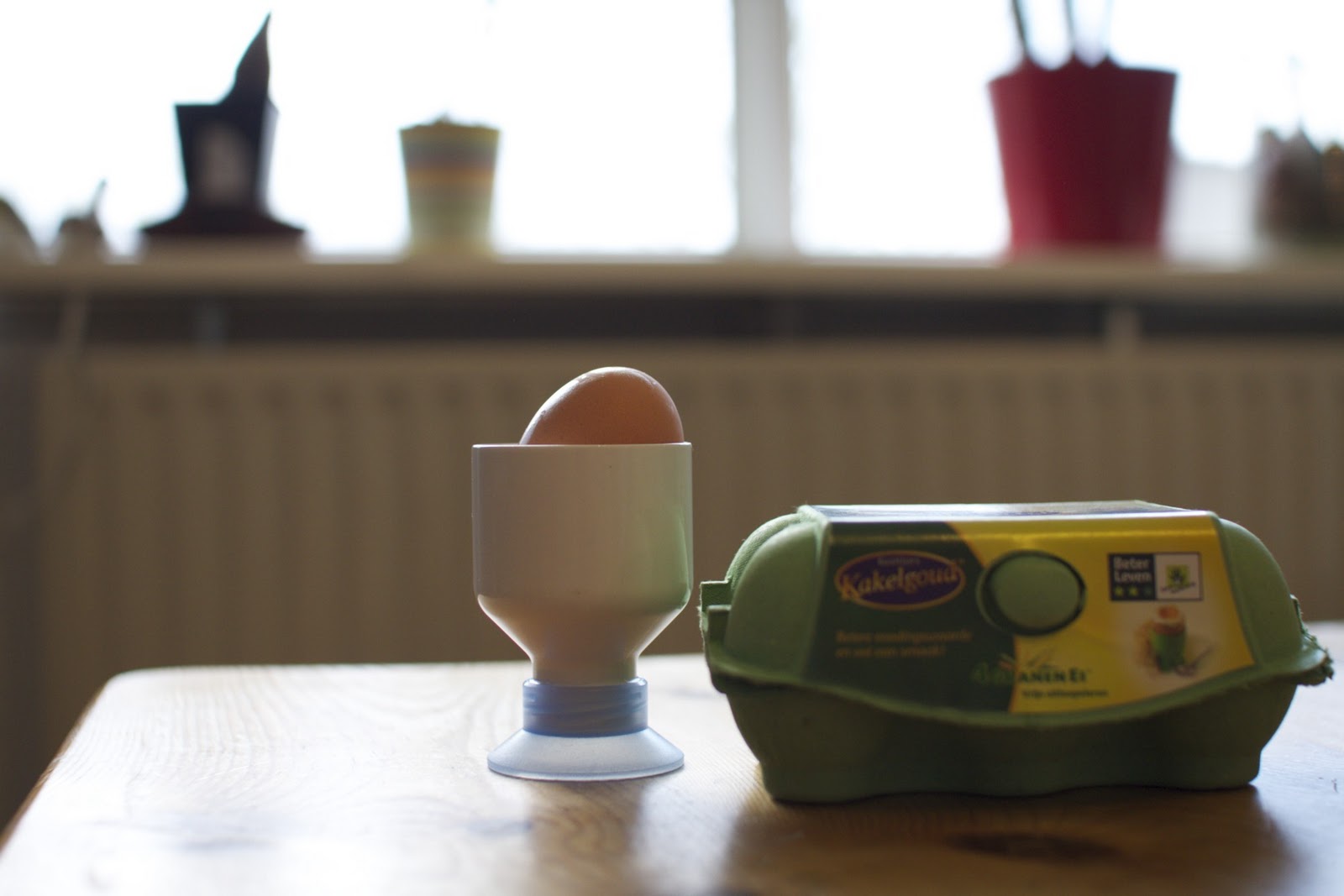
I'm an egg cup

free-range eggs of course

Sadly your plastic water bottle isn't me but if you decide to stop using plastic water bottles and switch to a Dopper you will contribute to a reduction of plastic (bottle) waste. And since we only have one world, that's super nice. For each Dopper sold Dopper will also donate 1 Euro to ngo Simavi. Clean and safe water for people in developing countries.


Look down, back up. Where are you? You are on a boat with a Dopper cup you can drink Frisian white wine from. Or just plain tap water. So much cheaper than those fancy plastic water bottles at the grocery store. If your Dopper is empty you can use the free phone app and search for tap water locations (also outside The Netherlands) where you can refill your Dopper for free. We adore free stuff here in The Netherlands.:)


What's in your hand, back at me. I have it,


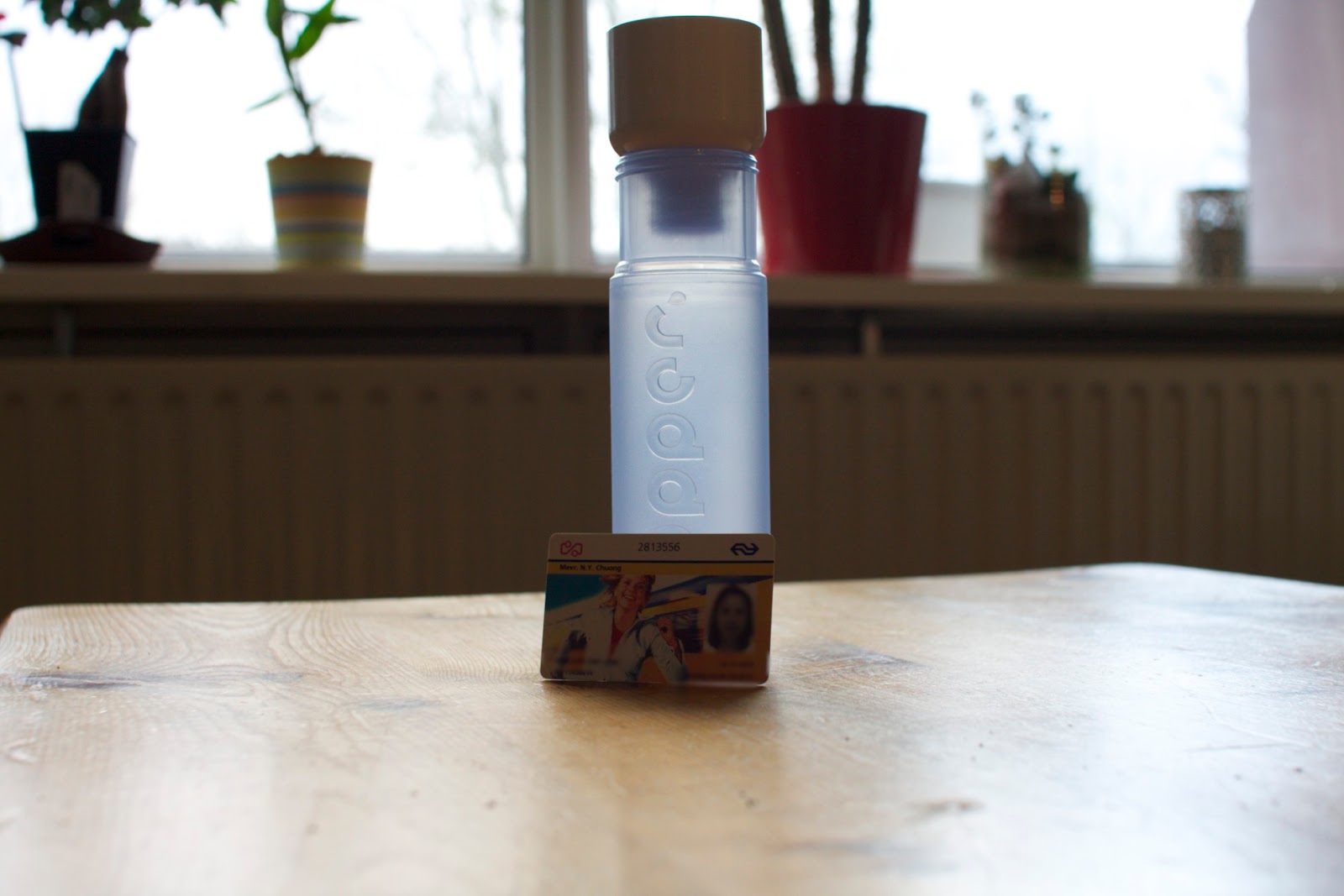
I'm a mobile urinoir with an public transport chip card (Dutch insider's joke). Look again,


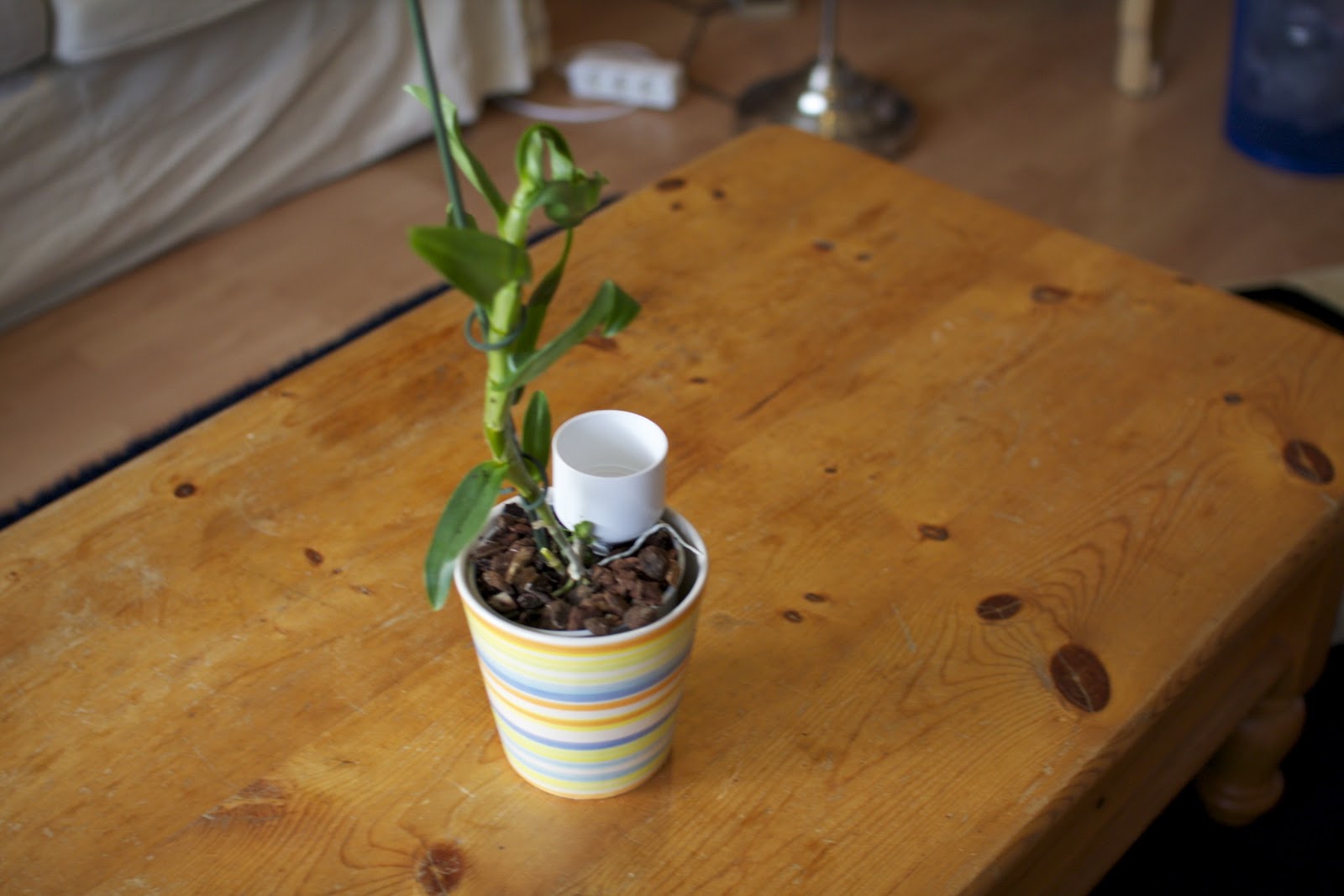
I've turned into a water reservoir for plants who don't have a plant sitter when their owner are on a vacation. Anything is possible if you stop using plastic water bottles and switch to a Dopper.


I'm on a hamster.*Old spice whistle*


Check for more information about the Dopper on www.Dopper.nl


Happy belated 1st birthday Dopper. I'm very content with my dopper. There is one problem though. He's missing a friend. A lady friend.


I've noticed you will release a pink Dopper soon. You know it wouldn't be bad to 'donate' a lady love for my blue friend.*big fat wink*